

How to Navigate Choosing a Memory Care Facility: A Checklist for Families
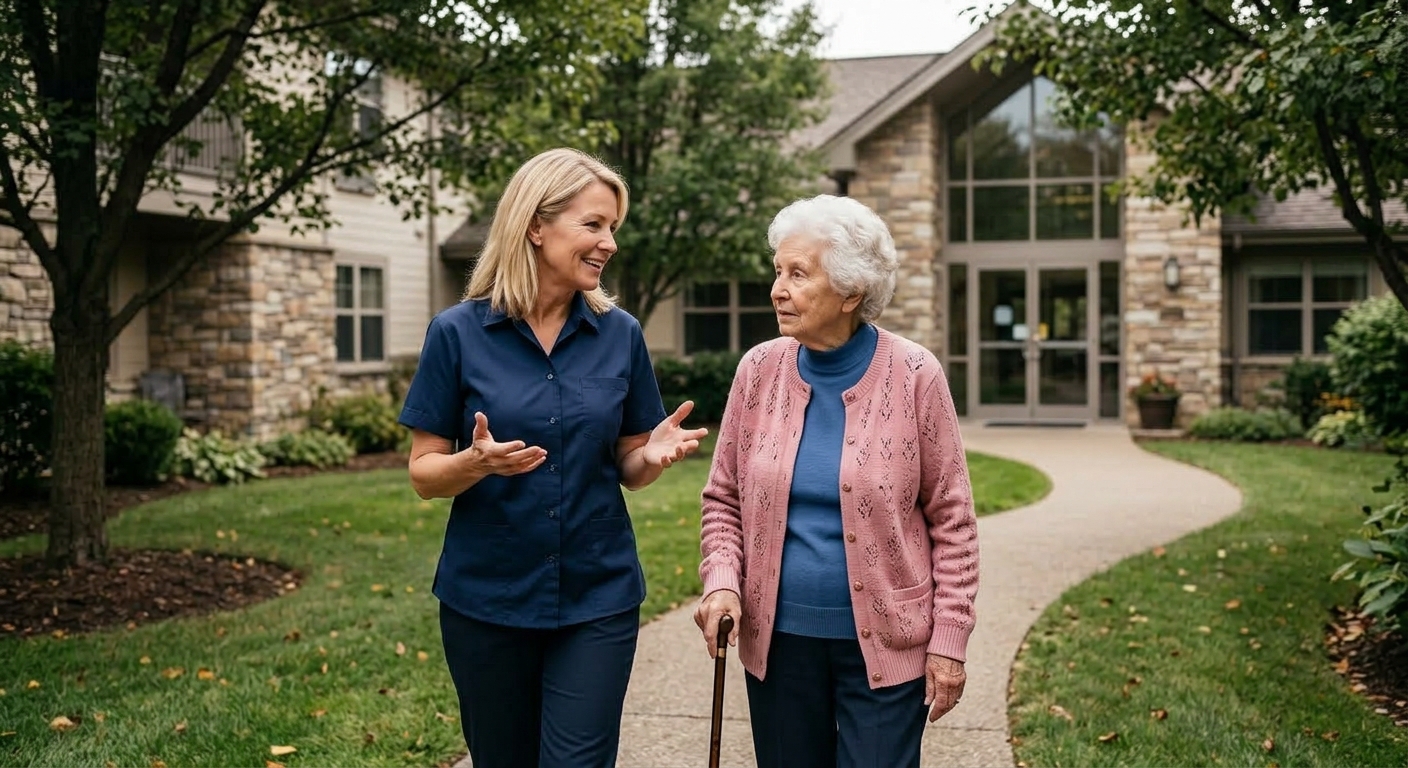
Selecting a specialized care home for a parent or spouse living with Alzheimer's disease or dementia is one of the most significant caregiving decisions you will ever make. When home care is no longer sufficient to maintain personal safety, medical management, or quality of life, families must evaluate outside care options. However, searching through dozens of care options across Texas can feel overwhelming. Many facilities promise exceptional care, but determining which environment will truly meet your loved one's physical, cognitive, and emotional needs requires systematic evaluation. Knowing what to look for when choosing a memory care facility helps families look beyond marketing brochures and make an informed, confident choice.
Critical Factors When Choosing a Memory Care Facility
Transitioning a loved one into a residential community involves more than finding a comfortable bedroom. Dementia care requires specialized environmental design, continuous medical monitoring, tailored cognitive activities, and compassionate behavioral interventions.
When families begin the process of choosing a memory care facility, they should approach community tours with a clear, objective checklist. Evaluating clinical capabilities, staff turnover rates, physical safety features, and daily operational philosophies ensures that your loved one receives high-quality, dignified support tailored to their specific stage of cognitive decline.
1. Evaluating Environmental Design and Physical Safety Features
The physical architecture of a care environment directly influences a resident's daily comfort and orientation. Individuals living with progressive memory loss often experience spatial confusion, impaired depth perception, and increased fall risks.
When touring communities, pay close attention to how the physical environment is constructed:
- Secure Perimeters and Controlled Exits: Verify that all exterior doors feature discreet security systems, delayed-egress locks, or keypad access to prevent unescorted wandering while allowing residents to move freely inside.
- Wayfinding and Intuitive Layouts: Look for simple, circular, or open floor plans. Avoid facilities with endless, identical corridors and multiple elevators, as these frequently induce disorientation and panic.
- Fall Prevention Adaptations: Ensure hallways feature continuous handrails, flooring is non-glare and non-slip, and showers feature zero-threshold entries with sturdy grab bars.
- Secure Outdoor Access: Confirm that outdoor gardens and courtyards are fully enclosed and securely monitored, allowing residents to enjoy fresh air independently.
Clinical research from the National Institute on Aging highlights that environmental modifications significantly reduce anxiety and physical injuries among seniors with cognitive impairment.
2. Assessing Staff-to-Resident Ratios and Clinical Training Standards
Direct care staff form the backbone of any memory care community. Assessing staffing levels and qualifications is a crucial step when choosing a memory care facility for your loved one.
During your evaluation, ask detailed questions regarding caregiver availability and clinical expertise:
- Staff-to-Resident Ratios: Inquire about the exact ratio of caregivers to residents during both day and night shifts. Lower ratios ensure personalized attention and faster response times.
- Dementia-Specific Training: Confirm whether staff undergo specialized training in dementia behaviors, non-pharmacological redirection, validation therapy, and sundowning management.
- Staff Continuity: High staff turnover disrupts resident stability. Ask how long core team members have been with the community. Consistent staff recognize subtle changes in a resident's medical baseline quickly.
- Medication Administration Oversight: Verify how prescription medications are stored, logged, and administered by certified medication aides or licensed nurses.
Epidemiological studies from the CDC emphasize that continuous professional monitoring reduces avoidable hospitalizations and medication errors in memory care populations.
3. Reviewing Dining Programs and Hydration Monitoring
Nutritional health often declines rapidly in individuals with dementia due to lost motor skills, swallowing difficulties, or sensory changes that suppress appetite. A comprehensive memory care community must offer proactive nutrition strategies.
Evaluate the dining experience by examining the following standards:
- Domestic Dining Environment: Observe whether meals are served in a quiet, home-like setting or a noisy, crowded cafeteria. Small dining tables encourage social connection and reduce mealtime agitation.
- Appetite Stimulation and Meal Flexibility: Inquire if meals are prepared fresh on-site where cooking aromas can naturally stimulate appetite.
- Adaptive Dining Support: Ask if finger foods or specialized utensils are available for residents who have lost dexterity, allowing them to eat independently with dignity.
- Hydration Tracking: Inquire how staff monitor daily fluid intake to prevent urinary tract infections and acute dehydration.
Care guidelines from the Alzheimer's Association stress that personalized dining routines preserve physical health and maintain social dignity in late-stage dementia.
4. Evaluating Structured Cognitive and Physical Programming
Quality memory care extends beyond physical supervision; it requires structured daily engagement that nurtures emotional well-being and maintains functional independence.
When evaluating activity schedules, look for evidence of meaningful engagement:
- Tailored Activity Frameworks: Ensure activities are structured around residents' individual interests, past occupations, and cognitive abilities rather than generic, one-size-fits-all entertainment.
- Therapeutic Modalities: Check for structured music therapy, sensory stimulation, gentle physical exercise, art expression, and reminiscence activities.
- Predictable Daily Schedules: Confirm that activities follow a consistent routine to help establish a comforting sense of predictability throughout the day.
5. Questions to Ask During Your On-Site Community Tour
When visiting prospective communities, ask administrators direct questions to gauge operational transparency:
- How do you handle escalating behavioral changes or severe sundowning episodes?
- What is your policy regarding emergency medical situations and hospital transfers?
- How do you communicate routine health updates or care plan adjustments to family members?
- Are care plans customized, and how frequently are they re-evaluated by clinical staff?
- What all-inclusive services are covered in the monthly fee, and what additional costs might arise as care needs increase?
The Village Green Residential Care Advantage
Navigating the process of choosing a memory care facility in Texas is much easier when you focus on smaller, residential environments. While large, multi-story facilities can feel overwhelming and clinical, Village Green Alzheimer’s Care offers intimate, home-like care environments specifically designed to support individuals with memory loss.
Our care model, Care at Village Green, maintains exceptional staff-to-resident ratios in comfortable single-story care homes. Our team members get to know every resident personally, allowing us to deliver individualized care, adaptive dining, and continuous health oversight. Through our structured Community Life programming, residents participate in engaging daily activities that build joy, purpose, and social connection.
Ultimately, choosing a memory care facility comes down to finding a place where your loved one will feel safe, respected, and genuinely at home. We invite you to explore our care homes across Texas with dedicated locations in Conroe, Champions, Cypress, Tomball, The Woodlands, Katy, Kingwood, Spring Branch, Rockwall, McKinney, Highland Village, and Sachse.
Understanding when is it time for memory care allows families to make proactive decisions with confidence. If you are evaluating care needs or have questions about our First Steps admission assessment, our experienced team is here to assist you. Contact us today at (281) 208-5876 or online to Schedule a Visit.
Care & Medical Disclaimer
This article is provided for informational and educational purposes only and does not constitute medical advice, diagnosis, or clinical treatment plans. Families should consult with a qualified physician or neurologist to evaluate specific health changes, cognitive decline, or physical care needs.