

When Is It Time for Memory Care? 5 Signs Your Loved One Needs Specialized Support
By the Clinical Care Team at Village Green Alzheimer’s Care | Senior Care Guidance
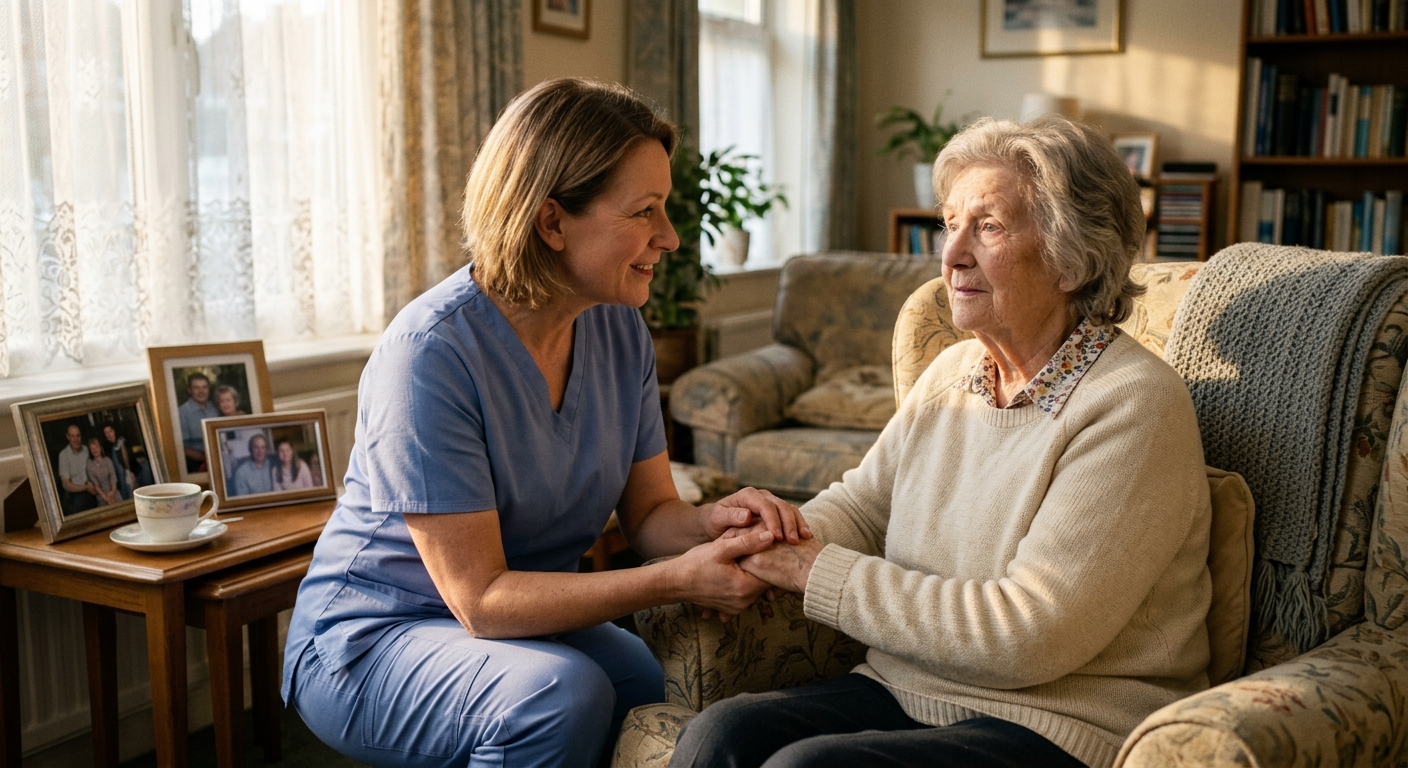
Watching a parent or spouse experience memory loss is one of the most challenging journeys a family can face. In the early stages of cognitive decline, making minor modifications around the home and offering part-time assistance may suffice to keep your loved one safe. However, as progressive conditions such as Alzheimer's disease or vascular dementia advance, family caregivers inevitably reach an emotional and logistical turning point. You will likely find yourself asking when is it time for memory care. This heavy question weighs on the hearts of many adult children and spouses who want nothing but the best for their loved ones. Acknowledging that a family member requires more specialized support than can be safely managed at home is not a personal failure. Rather, it is a crucial medical and caregiving decision that prioritizes your loved one's safety, health, and dignity.
Understanding When Is It Time for Memory Care
Transitioning a family member into a specialized residential community is a pivotal healthcare decision. Many families wait until a crisis occurs before evaluating memory care options. A sudden fall, a dangerous wandering episode, or a severe medical emergency often forces a placement decision under stressful, urgent circumstances. Waiting for a crisis creates immense anxiety for both the person living with cognitive impairment and their caregivers. By recognizing the early clinical indicators that home-based care is no longer meeting their needs, you can make a proactive, informed decision. The transition process is significantly smoother when families have adequate time to evaluate care philosophies, tour communities, and ask detailed operational questions. Here are five clinically recognized signs that your loved one is ready for specialized memory care.
1. Wandering and Unsafe Spatial Disorientation
One of the most urgent safety risks associated with progressive memory loss is spatial disorientation, commonly manifesting as wandering. As neurodegenerative diseases alter the brain, individuals lose the ability to recognize familiar landmarks, navigate neighborhood streets, or recall their home address. They may leave the safety of their home attempting to go to work, visit relatives from their past, or perform routines from decades prior.
Wandering presents immediate physical danger, including exposure to extreme temperatures, vehicular accidents, and acute dehydration. According to data from the Alzheimer's Association, six in ten people living with dementia will wander at least once, with many experiencing repeated episodes.
If your loved one has begun leaving their residence unescorted, or if you find yourself installing complex locks and door alarms to prevent middle-of-the-night departures, their living situation has compromised basic safety standards. Professional memory care communities utilize purpose-built environmental design to eliminate these hazards. At Village Green, our residential care homes feature continuous, secure perimeters and monitored exits, allowing residents to walk freely through indoor spaces and secure outdoor gardens without safety risks.
2. Escalating Caregiver Burnout and Health Decline
When evaluating when is it time for memory care, you must also conduct an honest assessment of the primary caregiver's health. Family caregivers are often aging spouses managing their own chronic conditions or adult children balancing demanding careers and raising children. Providing round-the-clock care for a relative with cognitive decline requires continuous vigilance, physical labor, and ongoing emotional stamina.
Caregiver burnout is a recognized healthcare challenge with serious physiological consequences. Epidemiological studies from the CDC demonstrate that family caregivers of individuals with dementia experience significantly higher rates of chronic stress, clinical depression, anxiety, and compromised immune function compared to non caregivers.
When a caregiver experiences chronic exhaustion, physical injury from assisting with mobility, or deteriorating mental health, the stability of home care dissolves. Transitioning a loved one to a dedicated memory care home transfers the heavy burden of daily clinical tasks to trained professionals. This allows family members to step out of an exhausting shift-based caregiving role and focus on maintaining a meaningful emotional relationship with their loved one.
3. Loss of Executive Function: Hygiene and Physical Health Decline
Dementia affects executive functioning, which governs the ability to plan, sequence, and execute complex daily tasks. Clinicians categorize these as Activities of Daily Living (ADLs), which include bathing, dressing, grooming, and feeding, as well as Instrumental Activities of Daily Living (IADLs), such as managing medications and preparing meals.
As cognitive decline advances, you may observe severe neglects in personal hygiene. A loved one may wear the same unwashed clothing repeatedly, lose the cognitive sequence required to shower safely, or develop a severe fear of water. Dental care and skin integrity often suffer as a result.
Physical health also deteriorates due to executive dysfunction. Individuals frequently miss essential medication doses or inadvertently take double doses due to short-term memory loss. Unintentional weight loss is another major clinical red flag, often stemming from an inability to navigate a kitchen, difficulty using eating utensils, or sensory changes that suppress appetite. In a licensed memory care community, certified staff oversee medication management, provide respectful assistance with personal hygiene, and ensure proper hydration and balanced nutrition through structured daily dining programs.
4. Unexplained Behavioral Changes, Agitation, and Sundowning
As neurological deterioration progresses, it frequently triggers significant behavioral and psychological symptoms of dementia. A loved one who was historically mild-tempered may display sudden physical aggression, deep paranoia, delusions, or severe vocal agitation. They may accuse trusted family members of theft or express fear that strangers are inside their residence.
These behavioral symptoms often intensify in the late afternoon and early evening, a clinical pattern known as sundowning. Managing severe sundowning, hallucinations, or aggression requires specialized behavioral intervention techniques that exceed the capacity of most home environments. Attempting to logic with or correct a confused individual frequently escalates distress.
Trained memory care professionals are skilled in non-pharmacological behavior interventions, such as validation therapy, therapeutic redirection, and sensory calm. Establishing predictable daily schedules and controlled sensory environments significantly reduces the frequency and severity of behavioral distress episodes.
5. Compromised Household Safety and Living Conditions
A thorough inspection of your loved one's living environment can reveal whether independent living remains viable. Look for physical indicators of cognitive decline throughout the home: unopened mail accumulating, unpaid utility notices, spoiled food stored in the refrigerator, or scorch marks on cookware left on active stove burners.
Furthermore, standard residential architecture poses significant safety hazards for individuals with impaired cognitive and motor skills. Area rugs present tripping hazards, staircases become dangerous obstacles, and traditional bathrooms lack the necessary structural support for safe transfers. While families can implement basic safety adaptations outlined by the National Institute on Aging and health guidelines from the CDC, fully dementia-proofing a standard residential home is rarely achievable.
Deciding when is it time for memory care is ultimately about prioritizing safety and quality of life before a home-based crisis occurs. Specially engineered memory care environments eliminate these environmental hazards. Purpose-built facilities incorporate wide, unobstructed walkways, non-glare lighting, flush threshold showers, safety grab bars, and restricted access to dangerous household items or chemical cleansers.
The Village Green Approach to Residential Care
If you are weighing when is it time for memory care for your loved one, selecting an optimal care community is the next critical step. Many families feel hesitant about placement because they associate senior care with large, institutional medical facilities. Village Green Alzheimer's Care provides an alternative through small-scale, residential care homes specifically designed to feel like traditional family residences.
Large, multi-story facilities with expansive dining halls and long corridors can overstimulate and disorient individuals with memory loss. Our specialized care philosophy, Care at Village Green, focuses on small resident-to-staff ratios, high staff continuity, and individualized attention. Because our homes accommodate a limited number of residents, our care staff build deep, personal familiarity with each individual's life history, preferences, and clinical needs.
Our structured Community Life programming integrates cognitive stimulation, music therapy, gentle physical activity, and social engagement tailored to varying stages of memory loss.
We serve families across Texas with dedicated locations in Conroe, Champions, Cypress, Tomball, The Woodlands, Katy, Kingwood, Spring Branch, Rockwall, McKinney, Highland Village, and Sachse.
Understanding when is it time for memory care allows families to make proactive decisions with confidence. If you are evaluating care needs or have questions about our First Steps admission assessment, our experienced team is here to assist you. Contact us today at (281) 208-5876 or online to Schedule a Visit.
Care & Medical Disclaimer
This article is provided for informational and educational purposes only and does not constitute medical advice, diagnosis, or clinical treatment plans. Families should consult with a qualified physician or neurologist to evaluate specific health changes, cognitive decline, or physical care needs.