

Activities for Dementia Patients: Elevating Quality of Life in Memory Care
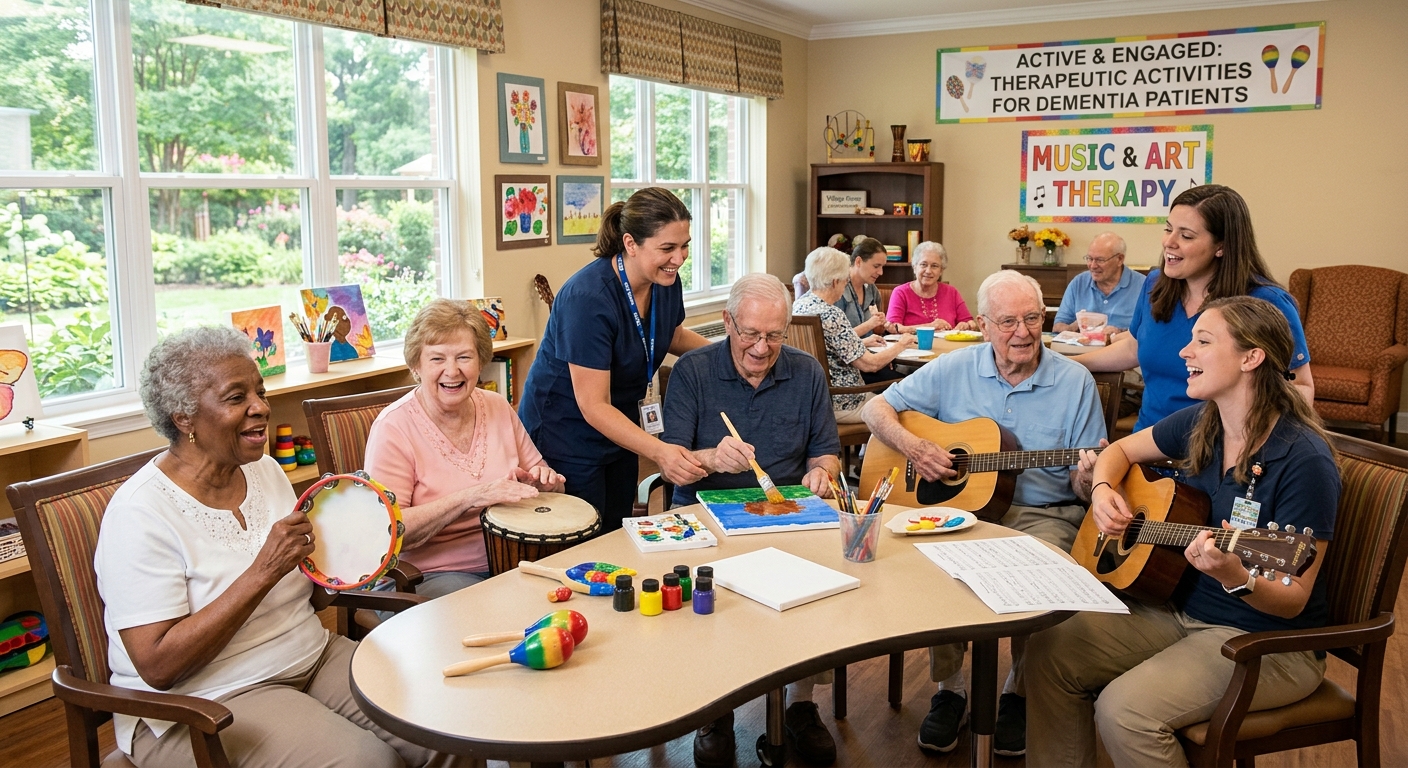
When a loved one moves into a memory care community, family members often worry that their relative will lose their sense of purpose or spend long days in passive isolation. This fear is entirely understandable, but modern dementia care demonstrates that structured, meaningful engagement is a vital component of clinical health. Developing purposeful activities for dementia patients goes far beyond basic entertainment or killing time. Therapeutic programming stimulates residual neural pathways, stabilizes mood, and preserves functional independence for as long as possible. In specialized care environments, daily activities are intentionally designed to nurture emotional well-being, reduce anxiety, and honor individual life stories.
Understanding Activities for Dementia Patients and Cognitive Health
The neurological impact of progressive neurodegenerative conditions such as Alzheimer's disease or vascular dementia alters how the brain processes information, sensory input, and verbal communication. However, emotional memory and sensory processing often remain intact long after short-term memory and complex problem-solving abilities decline. Engaging seniors in structured daily routines leverages these preserved neural capabilities.
According to clinical research from the National Institute on Aging, participating in cognitive, physical, and social activities helps maintain cognitive function, improves motor skills, and reduces behavioral symptoms such as apathy, depression, and agitation. Designing appropriate activities for dementia patients requires a thorough assessment of each resident's cognitive stage, physical mobility, personal preferences, and career history.
1. Music Therapy and Auditory Stimulation
Music holds a unique power in memory care because musical memory is stored across multiple interconnected regions of the brain, including the auditory cortex and motor pathways. Even in advanced stages of Alzheimer's disease, individuals often retain the ability to sing along to familiar songs from their youth, tap rhythmically, or recall complete lyrics.
Clinical guidance from the Alzheimer's Association highlights music therapy as a premier non-pharmacological tool to reduce agitation, ease sundowning distress, and encourage spontaneous verbal expression. Listening to personalized playlists triggers positive emotional recall and calms a hyperactive nervous system. Group singalongs, live acoustic performances, and gentle rhythm instrument sessions foster social bonding without requiring complex conversational skills.
2. Sensory Engagement and Art Therapy
When planning therapeutic activities for dementia patients, sensory immersion offers a profound way to bypass cognitive impairment and communicate through touch, sight, sound, and smell. Tactile stimulation through sensory bins, textured fabrics, gardening soil, or clay modeling helps ground individuals experiencing spatial disorientation or restlessness.
Art therapy allows residents to express subtle emotions and process feelings without relying on spoken words. Painting with watercolors, arranging fresh flowers, or working on simple crafts provides a tangible sense of accomplishment. Furthermore, sensory engagement stimulates dopamine release, promoting feelings of contentment and significantly reducing the urge for unescorted, anxious wandering.
3. Gentle Physical Movement and Outdoor Connection
Physical exercise is critical for preserving mobility, joint flexibility, and cardiovascular health in older adults living with memory loss. Public health data from the CDC indicates that regular physical activity helps reduce fall risks, improves sleep hygiene, and enhances overall mood among seniors living with cognitive decline.
In specialized memory care, physical programming is adapted to accommodate varying mobility levels. Chair yoga, gentle stretching routines, balloon volleyball, and guided garden walks encourage motor coordination and muscular strength. Outdoor time in secure courtyards provides essential sunshine, which helps regulate circadian rhythms and mitigate late-afternoon sundowning symptoms.
4. Cognitive Games, Reminiscence, and Validation
Cognitive exercises tailored to a resident's current functional level promote neuroplasticity and help maintain executive function skills. Simple trivia, word association games, large-piece puzzle assembly, and tactile sorting activities stimulate problem-solving pathways without creating stress or frustration.
Reminiscence therapy uses familiar historical photographs, vintage household items, classic music, and family keepsakes to prompt storytelling and emotional connection. Rather than correcting memory gaps or misperceptions, trained care staff utilize validation therapy techniques to join the resident in their present emotional reality, building trust and preserving self-esteem.
5. Structured Daily Routines and Social Connection
Predictability provides profound emotional safety for individuals experiencing progressive memory loss. A structured daily routine featuring regular activity times, quiet resting periods, nutritious meals, and social gatherings prevents cognitive fatigue and overwhelm.
Social connection through small-group activities reduces feelings of loneliness and depression. At Village Green, our specialized activities for dementia patients foster a sense of accomplishment and belonging within a comfortable, domestic community setting.
The Village Green Approach to Community Life
At Village Green Alzheimer’s Care, our specialized Care at Village Green model integrates daily activity programming directly into our small-scale residential care homes. Our Community Life framework ensures that activities are never generic or forced.
Because our care homes host a limited number of residents, our team members tailor every day to individual preferences, life histories, and energy levels. Whether baking familiar recipes in our domestic kitchen, tending to outdoor garden beds, or enjoying live musical performances, residents experience joy and purpose in a secure, loving environment.
We serve families across Texas with dedicated locations in Conroe, Champions, Cypress, Tomball, The Woodlands, Katy, Kingwood, Spring Branch, Rockwall, McKinney, Highland Village, and Sachse.
Understanding when is it time for memory care allows families to make proactive decisions with confidence. If you are evaluating care needs or have questions about our First Steps admission assessment, our experienced team is here to assist you. Contact us today at (281) 208-5876 or online to Schedule a Visit.
Care & Medical Disclaimer
This article is provided for informational and educational purposes only and does not constitute medical advice, diagnosis, or clinical treatment plans. Families should consult with a qualified physician or neurologist to evaluate specific health changes, cognitive decline, or physical care needs.