

Memory Care Cost in Texas: A Complete Financial Planning Guide
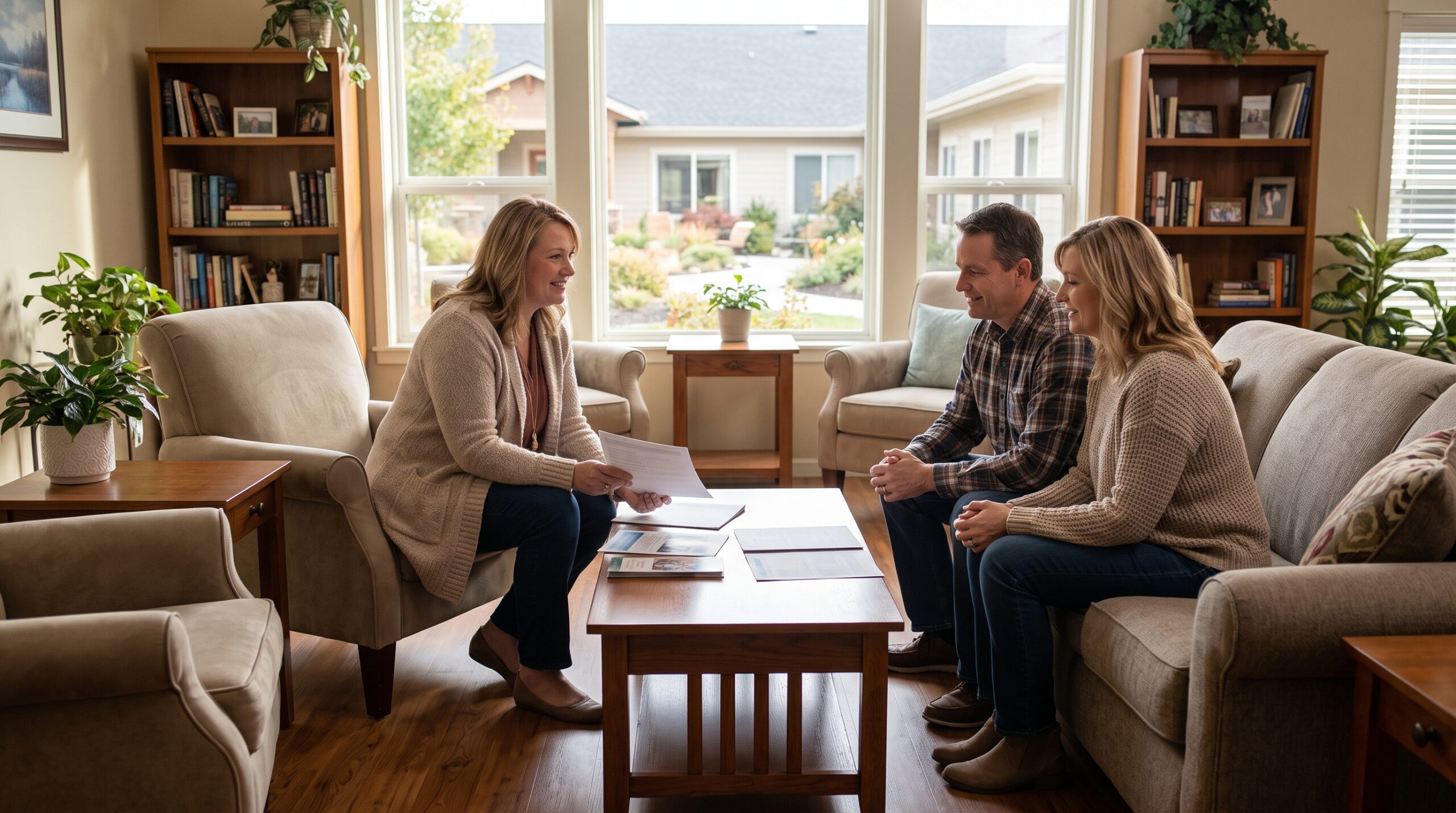
When a parent or spouse receives a diagnosis of progressive cognitive decline, families quickly face an overwhelming series of medical and emotional decisions. Before long, practical considerations come to the forefront, with families asking how to budget for long-term care. Navigating the memory care cost in texas can be confusing, especially when brochures present base rental rates that do not reflect the true cost of daily hands-on assistance. Understanding how residential pricing models work, comparing residential memory care to private in-home caregiving, and identifying financial assistance programs empowers families to make confident, sustainable decisions for their loved ones.
The Real Landscape of Memory Care Expenses in Texas
Across the state of Texas, the cost of specialized memory care varies widely based on geographic region, facility layout, licensing standards, and staffing ratios. In major metropolitan areas like the Greater Houston area and Dallas-Fort Worth, residential memory care generally ranges from $4,800 to $7,500 per month, with luxury or high-acuity communities exceeding $8,500 monthly.
According to data compiled by the National Institute on Aging, specialized memory care requires significantly higher staffing concentrations, purpose-built secure architecture, and ongoing clinical training compared to standard independent or assisted living. These operational necessities directly influence the total memory care cost in texas.
When evaluating pricing quotes, families must look closely at how communities structure their monthly fees. Many corporate assisted living complexes utilize tiered or a la carte pricing models. Under this structure, a resident pays an initial base rent for the room, but every additional service, such as medication administration, incontinence care, cueing for meals, or mobility assistance, triggers separate service point charges. As Alzheimer's disease advances and care needs inevitably increase, families often experience sudden rate spikes of $1,500 to $3,000 per month above their initial budget.
Comparing In-Home Caregiving vs. Residential Memory Care
A common assumption among family caregivers is that keeping a loved one at home is always the more affordable option. While this may be true in the earliest stages of mild cognitive impairment, costs change dramatically once a senior requires 24-hour supervision to prevent wandering, falls, or kitchen accidents.
Consider the real numbers when evaluating 24-hour private home care in Texas:
- Hourly Caregiver Rates: Private-duty home health aides in Houston and Dallas-Fort Worth average between $28 and $36 per hour.
- Continuous Home Care Costs: Providing 24-hour supervision through home care agencies requires multiple daily shifts, easily resulting in monthly bills ranging from $14,000 to $18,000.
- Additional Household Overhead: In addition to caregiver payroll, the family must continue paying for mortgage or rent, property taxes, home maintenance, utilities, groceries, and specialized medical supplies.
When evaluated side by side, specialized residential communities offer substantial cost efficiency. A comprehensive residential setting wraps round-the-clock awake staff, customized nutrition, physical security, housekeeping, and social therapies into a single monthly fee. Furthermore, understanding the true memory care cost in texas reveals that residential care provides predictable monthly expenses while relieving adult children of the exhausting management of agency shift cancellations.
What Does All-Inclusive Residential Memory Care Cover?
When evaluating the overall memory care cost in texas, families need a transparent breakdown of what daily fees should include to budget accurately. In quality memory care homes, monthly rates support a comprehensive ecosystem designed for physical safety and emotional comfort.
A predictable, all-inclusive memory care fee covers:
- 24-Hour Specialized Supervision: Trained dementia caregivers and medication managers provide attentive oversight, drastically reducing the risk of medical emergencies.
- Nutritional and Hydration Support: Providing chef-prepared meals tailored to cognitive needs, such as maintaining dining dignity in alzheimers care, ensures residents avoid dehydration and involuntary weight loss.
- Therapeutic Life Enrichment: Daily cognitive stimulation, music therapy, sensory art, and physical mobility routines preserve functional abilities and slow clinical decline.
- Housekeeping and Personal Care: Daily laundry, linen services, personal room cleaning, and help with activities of daily living like bathing, dressing, and grooming.
- Physical Safety Infrastructure: Single-story residential layouts, secured courtyards, zero-threshold showers, and continuous security monitoring eliminate environmental hazards.
Public health resources from the CDC note that chronic health issues in seniors with memory loss worsen rapidly without strict daily routines and attentive wellness oversight. Investing in an all-inclusive care setting directly supports clinical wellness while preventing hospital readmissions in dementia care, saving families thousands of dollars in surprise medical deductibles and ambulance bills.
Funding Options and Financial Planning Strategies in Texas
Covering the memory care cost in texas rarely relies on a single source of income. Most families assemble a combination of private resources, insurance policies, and earned veteran benefits to build a balanced financial plan.
Here are the primary financial avenues available to Texas families:
1. Long-Term Care Insurance (LTCI)
Traditional health insurance and Medicare do not cover the custodial room-and-board costs of memory care assisted living. However, private long-term care insurance policies are specifically designed for this purpose. Once a licensed physician certifies that a policyholder requires assistance with at least two activities of daily living or requires supervision due to cognitive impairment, benefits activate. Policies typically pay a daily or monthly cash indemnity directly to the family or care provider.
2. Veterans Aid and Attendance Pension
Wartime veterans and their surviving spouses may qualify for the non-service-connected VA Aid and Attendance benefit. This tax-free monthly pension is paid directly to eligible applicants to offset the cost of assisted living and memory care. Depending on marital status and clinical need, this benefit can contribute substantial monthly funds toward senior living costs.
3. Life Insurance Conversions and Asset Repurposing
Families often choose to sell the senior's primary residence to fund several years of memory care living. Additionally, life insurance policies with cash values can be converted into long-term care benefit plans, providing immediate monthly payments toward residential care without waiting for probate.
According to financial guidance from the Alzheimer's Association, initiating financial conversations early during the diagnostic journey ensures that legal powers of attorney and asset protections are structured before cognitive impairment impairs decision-making capacity.
The Village Green Residential Difference
When researching memory care communities, families often assume that smaller, boutique homes are financially out of reach. In reality, the intimate residential model at Village Green Alzheimer's Care delivers superior financial transparency alongside higher standards of personal attention.
Unlike large, impersonal institutions with hundreds of apartments, Village Green operates cozy, single-story residential homes across Texas designed for a small group of residents. Our philosophy, Care at Village Green, prioritizes consistent staff continuity and low caregiver-to-resident ratios. Because our team gets to know each resident's unique personality and history, we deliver attentive, proactive support that large facilities struggle to replicate.
Families preparing for transitioning from home to memory care find comfort in our predictable pricing structure. We eliminate surprise add-on charges, allowing adult children to focus on enjoying meaningful moments with their parent rather than scrutinizing itemized monthly invoices. Our vibrant Community Life programming ensures every resident experiences dignity, purpose, and joyful connection every day.
We invite families across Texas to visit our specialized memory care communities located in Conroe, Champions, Cypress, Tomball, The Woodlands, Katy, Kingwood, Spring Branch, Rockwall, McKinney, Highland Village, and Sachse.
If you would like a transparent breakdown of the memory care cost in texas or wish to begin our compassionate First Steps assessment process, our clinical directors are here to guide you. Contact Village Green today at (281) 208-5876 or online to Schedule a Visit.
We invite families across Texas to tour our warm residential care homes in Conroe, Champions, Cypress, Tomball, The Woodlands, Katy, Kingwood, Spring Branch, Rockwall, McKinney, Highland Village, and Sachse.
If you would like a transparent breakdown of the memory care cost in texas or wish to begin our compassionate First Steps .Contact us today at (281) 208-5876 or online to Schedule a Visit.
Care & Medical Disclaimer
This article is provided for informational and educational purposes only and does not constitute medical advice, diagnosis, or clinical treatment plans. Families should consult with a qualified physician or neurologist to evaluate specific health changes, cognitive decline, or physical care needs.