

Transitioning from Home to Memory Care: A Family Compass for the First 30 Days
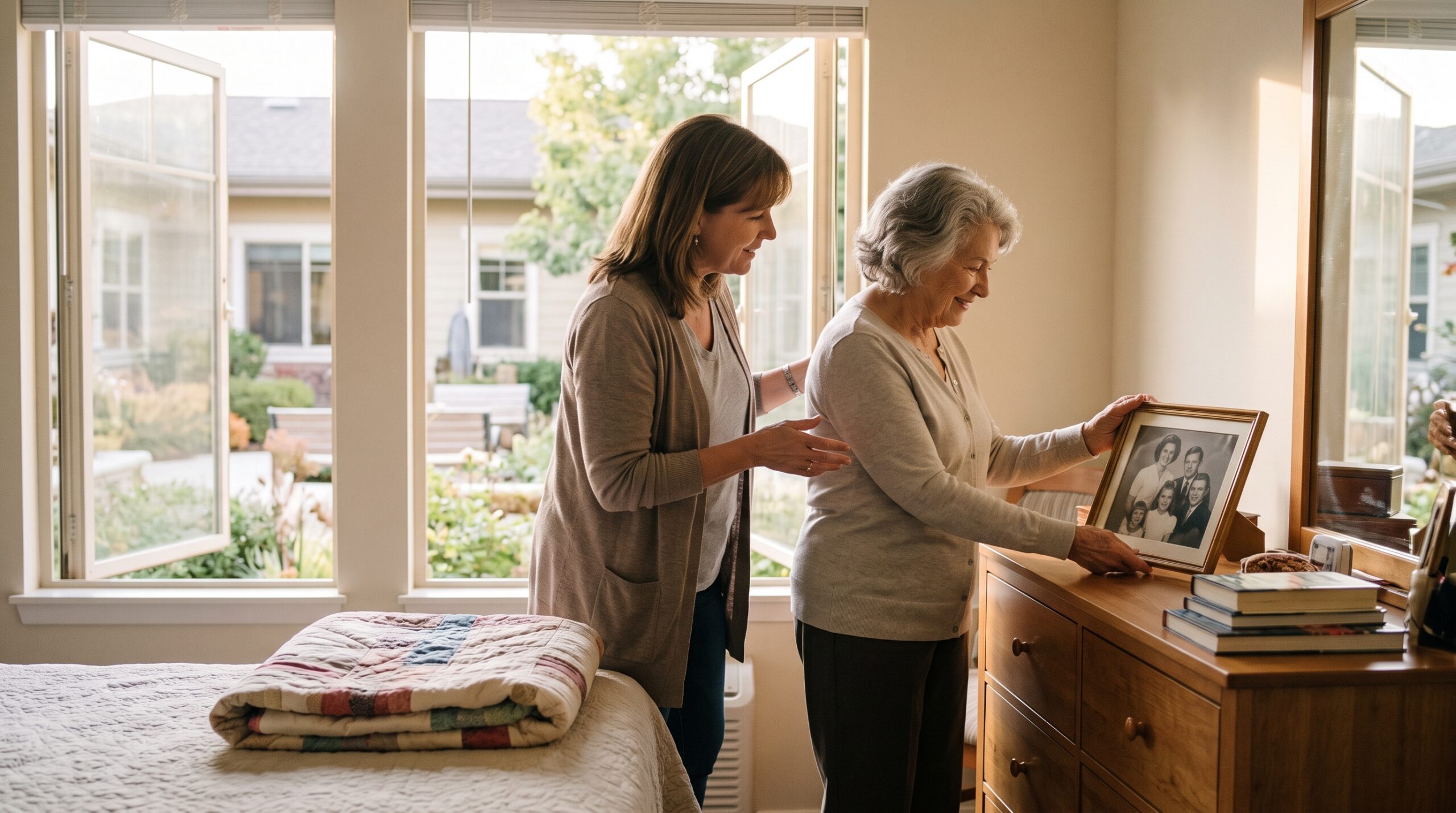
Making the decision to move a parent or spouse with cognitive decline out of their long-time residence is one of the most emotional choices a family will ever face. Even when home safety concerns, wandering risks, or caregiver exhaustion make personal care at home unsustainable, adult children often grapple with grief and second-guessing. Successfully transitioning from home to memory care requires a thoughtful balance of practical planning, clinical insight, and emotional patience. By understanding how seniors with cognitive impairment experience environmental changes, families can prepare for the initial adjustment period and establish a secure, supportive foundation for their loved one's new chapter.
Understanding Relocation Stress and the First 30 Days
The first month of residency is a critical adjustment window. In clinical geriatric care, the disorientation that can accompany a change in residence is often referred to as relocation stress syndrome or transfer trauma. Individuals living with Alzheimer's disease or related dementias rely heavily on familiar spatial cues, lighting, and environmental routines to maintain internal balance. When those familiar surroundings change, temporary spikes in restlessness, sundowning symptoms, or verbal confusion are natural neurological responses.
Clinical guidance from the National Institute on Aging highlights that cognitive reserves fluctuate significantly during environmental transitions. Understanding that early confusion or sadness does not mean you made the wrong decision provides essential peace of mind. With patient staff guidance and predictable daily schedules, most seniors settle comfortably into their new routine within three to four weeks. Approaching this timeline with realistic expectations helps families navigate the emotional challenges of transitioning from home to memory care.
1. Preparing the Physical Environment Before Move-In Day
The physical space your loved one enters on their first day should feel instantly familiar, comfortable, and dignified rather than sterile or hospital-like. Setting up their private suite before they arrive eliminates unnecessary chaos and creates an immediate sense of personal security.
To recreate a reassuring atmosphere while transitioning from home to memory care:
- Incorporate Familiar Bedding and Furniture: Bring their favorite quilt, pillows, bedside table, or comfortable reading chair. Familiar textures and scents provide immediate emotional comfort.
- Display Cherished Family Photos at Eye Level: Mount framed portraits of children, grandchildren, and memorable life milestones on the walls where they are easily visible from the bed and doorway.
- Keep the Layout Simple and Navigable: Arrange furniture to leave open, unobstructed walking paths. Avoid clutter, throw rugs, or confusing decorative mirrors that could increase disorientation.
- Replicate Key Home Routines: Place their favorite radio, clock, or bedside lamp in the same relative position it occupied in their previous home.
2. Crafting a Smooth Transition Routine for Move-In Day
Move-in day works best when approached with calm organization rather than rushed goodbyes. The way family members manage their own stress during the physical move directly influences how the resident reacts to the new setting.
Consider these strategic steps to minimize anxiety on move-in day:
- Arrive During the Morning Hours: Plan the arrival for mid-morning when cognitive energy is highest, well before late-afternoon fatigue or twilight restlessness sets in.
- Coordinate a Welcome Meal: Time your arrival so your loved one can join their small group of peers for a fresh lunch around the dining table. Breaking bread in a warm setting creates an immediate social bridge.
- Keep Departure Natural and Unhurried: When it is time to leave, offer a warm, loving, and brief reassurance rather than a lengthy, dramatic farewell. Telling your loved one that you will see them soon or that staff are preparing a favorite afternoon activity helps ease the departure.
3. Partnering with Clinical Caregivers to Build Routine
Caregiver continuity is the cornerstone of a successful relocation. In large institutional facilities, high staff turnover and rotating shift workers often disrupt the delicate trust a senior needs during their initial weeks. Consistent staffing allows caregivers to learn each resident's individual history, preferred nicknames, subtle non-verbal cues, and personal hygiene habits.
At Village Green Alzheimer's Care, our residential model maintains exceptionally low staff-to-resident ratios. Because our caregivers work with the same small group of residents every day, they quickly become trusted companions. Our foundational approach, Care at Village Green, emphasizes specialized dementia training that prioritizes dignity, patience, and non-pharmacological comfort techniques throughout the daily schedule.
Through structured Community Life programming, residents participate in gentle morning stretching, sensory arts, nostalgic music, and outdoor garden walks. Establishing a predictable daily rhythm stabilizes circadian rhythms, reduces evening restlessness, and reinforces feelings of safety.
4. Navigating Family Visits and Overcoming Placement Guilt
Caregiver guilt is one of the heaviest burdens family members carry after a move. Adult children frequently feel as though they have failed their loved one or broken unspoken promises to keep them at home forever. Acknowledging these feelings with self-compassion is a necessary part of the healing process.
When transitioning from home to memory care, establishing healthy visiting routines during the first month brings comfort to everyone involved:
- Follow Staff Guidance on Early Visits: Some residents adjust faster when given a few days to bond with caregivers and fellow residents before long family visits begin. Work closely with the community director to determine the best visiting schedule.
- Focus on Quality Connection over Care Tasks: When you visit, step out of the exhausting role of hands-on physical nurse and step back into the loving role of daughter, son, or spouse. Sit together in the garden, listen to favorite music, or look through family albums.
- Expect Emotional Ups and Downs: Your loved one may ask to go home during early visits. Validate their feelings with empathy by saying, "I know you miss home, and we are right here with you. You are safe here." Arguing or attempting logical explanations often increases distress.
5. Medical Continuity and Proactive Health Oversight
A critical advantage of moving into a dedicated residential memory care home is the reduction of medical crises. When seniors live alone or with an exhausted spouse, missed medications, poor hydration, and unobserved falls frequently result in repeated trips to the emergency department. Proactive medical oversight during transitioning from home to memory care ensures that clinical baselines are established early, which plays an essential role in preventing hospital readmissions in dementia care.
Public health research from the CDC highlights the importance of consistent medication schedules, fall prevention protocols, and daily hydration tracking in preserving cognitive function. Furthermore, care resources from the Alzheimer's Association confirm that small residential care environments reduce sensory overload, lowering the anxiety that often triggers behavioral episodes or physical accidents.
Discovering the Residential Advantage at Village Green
When evaluating long-term options, families must weigh the physical environment alongside the quality of daily attention. In contrast to massive, hundred-bed assisted living complexes, Village Green operates intimate, small-scale residential care homes designed to mirror the comfort of a true family home. With peaceful living rooms, open family-style kitchens, and secure outdoor courtyards, our communities provide a calming atmosphere where seniors never feel lost or institutionalized.
For families researching the financial aspects of memory care cost in texas, our leadership team provides clear, transparent guidance to help you plan with confidence. We walk alongside you through every step of our First Steps admission process, ensuring your family's transition is seamless and dignified.
We welcome families across Texas to explore our specialized residential memory care homes located in Conroe, Champions, Cypress, Tomball, The Woodlands, Katy, Kingwood, Spring Branch, Rockwall, McKinney, Highland Village, and Sachse.
If your family is preparing for transitioning from home to memory care, let our experienced clinical team provide the guidance and reassurance you need. Contact us today at (281) 208-5876 or online to Schedule a Visit.
Care & Medical Disclaimer
This article is provided for informational and educational purposes only and does not constitute medical advice, diagnosis, or clinical treatment plans. Families should consult with a qualified physician or neurologist to evaluate specific health changes, cognitive decline, or physical care needs.