

The Benefits of Home-Like Memory Care for Alzheimer's Patients
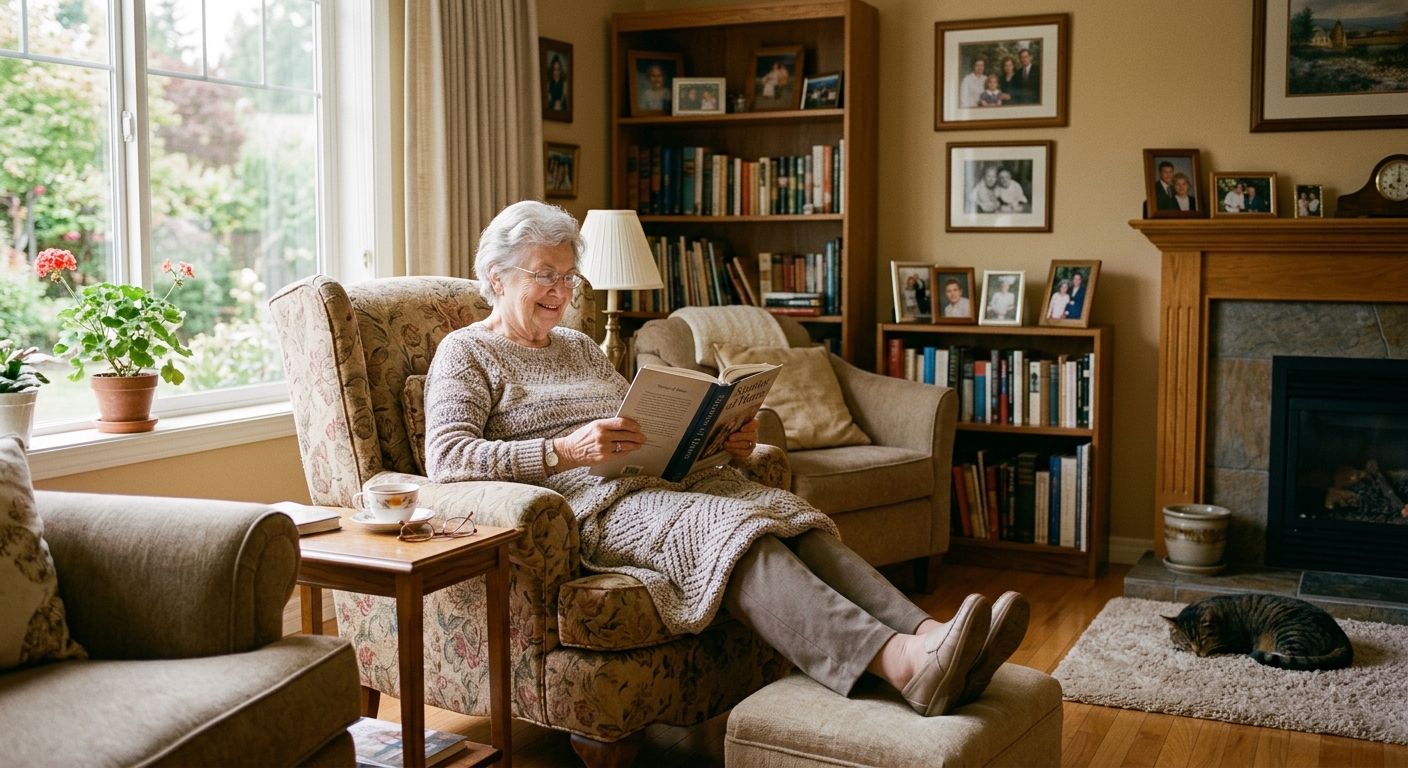
When a family member is diagnosed with Alzheimer's disease or another form of progressive dementia, choosing the right care environment is one of the most critical decisions you will ever make. For decades, traditional senior care often meant large, institutional facilities characterized by long fluorescent-lit corridors, noisy central dining rooms, and high staff turnover. While these large facilities may offer security, they can be deeply overwhelming for individuals experiencing cognitive decline. Modern geriatric research and clinical experience demonstrate that physical environment plays a monumental role in dementia care. Understanding the unique advantages of home-like memory care can help families make an informed choice that enhances their loved one's physical health, emotional stability, and overall quality of life.
Understanding Home-Like Memory Care and Its Clinical Value
Residential memory care represents a fundamental shift away from cold, hospital-style care environments. Instead of housing dozens or hundreds of residents under one large roof, residential care homes operate within true single-family home settings built specifically for a small group of residents. This small-scale residential model mirrors the warmth, aesthetics, and layout of a traditional private home while incorporating medical safety features and 24-hour professional supervision.
For someone living with memory loss, the physical layout of their living space directly impacts their brain function. Progressive neurodegenerative conditions impair spatial processing, memory retrieval, and sensory regulation. Large, complex environments often induce confusion, fear, and behavioral distress. In contrast, a domestic architecture with a central living room, an open kitchen, and a short hallway to private bedrooms provides an intuitive physical framework. Exploring home-like memory care allows families to see how an intimate setting supports independence and dignity rather than triggering anxiety.
1. Reduced Environmental Overstimulation and Agitation
Individuals with Alzheimer's disease frequently suffer from heightened sensitivity to sensory overload. Loud intercom systems, echoey dining halls, heavy floor traffic, and excessive noise levels can overstimulate an impaired nervous system. This sensory overload frequently triggers behavioral distress, including agitation, pacing, physical aggression, and severe sundowning.
Clinical guidance from the Alzheimer's Association emphasizes that modifying the physical environment is one of the most effective non-pharmacological interventions for managing dementia-related agitation. In a small home-like memory care setting, environmental noise is naturally subdued. There are no blaring public address systems, bustling commercial carts, or shifting crowds of strangers. The quiet, predictable rhythm of a residential home allows the nervous system to remain calm, which significantly reduces the need for psychotropic medications often used to manage behavioral distress in larger facilities.
2. Higher Staff Continuity and Individualized Care
In large senior care facilities, high resident-to-staff ratios and rotating shift schedules mean that residents may interact with dozens of different aides each week. For a person with dementia, constantly seeing unfamiliar faces can cause distress, paranoia, and confusion. Furthermore, high turnover makes it difficult for staff to notice subtle changes in a resident's clinical baseline.
Small-scale residential care operates with significantly lower resident-to-staff ratios. Caregivers work closely with the same small group of individuals every day. In this intimate environment, staff members do not just manage tasks; they build deep personal relationships with every resident. They learn each individual's unique life history, personality traits, personal preferences, and subtle behavioral cues.
This high level of staff continuity allows caregivers to detect early clinical shifts, such as a subtle change in gait, minor appetite loss, or early signs of a urinary tract infection, long before these issues elevate to emergency situations. The individualized attention inherent in home-like memory care ensures that care plans are continuously tailored to the evolving needs of each resident.
3. Preservation of Daily Routines and Dining Dignity
Loss of executive function makes it difficult for individuals with memory loss to adapt to rigid schedules. In large institutional settings, meal times, bathing schedules, and activities are dictated by facility-wide operational logistics. Residents are often expected to assemble in large groups at set times, which can feel forced and disorienting.
Residential care homes prioritize flexible, person-centered routines that honor each resident's lifelong habits. If a resident has spent their entire adult life sleeping in until eight in the morning and enjoying a late breakfast, their schedule is respected.
Dining in a residential setting is particularly therapeutic. Instead of a chaotic commercial cafeteria, meals are prepared in a domestic kitchen where familiar cooking aromas naturally stimulate appetite and evoke positive memories. Residents gather around a familiar family dining table, encouraging organic social interaction in a calm atmosphere. This domestic approach to dining promotes better nutritional intake, reduces weight loss risks, and preserves essential social dignity.
4. Specialized Safety Without Institutional Restraint
Safety is paramount when caring for individuals with cognitive impairment, particularly regarding wandering risks and fall prevention. However, traditional security measures in large buildings can feel restrictive and intimidating, often relying on locked heavy doors, restricted elevators, and stark barrier security.
A purpose-built residential home achieves safety through smart architectural design rather than obvious physical restriction. Secure perimeters, delayed-egress doors, and discreet monitoring systems are integrated seamlessly into a warm residential aesthetic. Facilities feature flush thresholds, smooth transition flooring, zero-entry showers, and continuous handrails disguised as traditional home molding.
According to public health data from the CDC, falls represent a primary physical hazard for older adults with cognitive impairment. Residential layouts minimize fall risks by keeping travel distances short between bedrooms, bathrooms, and living areas. Residents can safely navigate their home independently or with minimal assistance. Furthermore, secure, enclosed outdoor courtyards allow residents to enjoy fresh air, sunshine, and gardening without the risk of unescorted wandering.
5. Enhanced Family Involvement and Peace of Mind
The transition into memory care affects the entire family unit. Visiting a loved one in a stark, clinical facility can feel uncomfortable and emotionally taxing, often leaving family members feeling guilty or disconnected.
A residential environment changes the dynamic of family visits. Walking into a warm, comfortable home with a soft couch, a pleasant backyard patio, and a cozy kitchen makes visits feel natural and inviting. Family members can sit quietly with their loved one, share a cup of coffee at the kitchen table, or participate in small group activities.
Additionally, because the clinical team in a residential care home is small and accessible, family members enjoy direct, transparent communication with caregivers and leadership. You can easily discuss your loved one's day, review care adjustments, and maintain genuine partnership with the people directly supporting your family member. Choosing home-like memory care offers long-term peace of mind, knowing your parent or spouse is living in a compassionate, home environment.
The Village Green Residential Care Philosophy
At Village Green Alzheimer’s Care, we built our entire model around the clinical superiority of small-scale residential living. We believe that seniors living with Alzheimer's disease and other forms of dementia deserve an environment that feels like home because it truly is a home.
Our specialized program, Care at Village Green, combines expert clinical oversight with a warm, family-centered atmosphere. Each of our care homes accommodates a limited number of residents, ensuring an exceptional staff-to-resident ratio and personalized care plans. Through our structured Community Life programming, residents participate in meaningful daily activities, sensory therapies, physical movement, and social gatherings designed to maintain cognitive function and emotional well-being.
According to care guidelines from the National Institute on Aging, selecting a care setting that matches a resident's specific cognitive level is essential for long-term health outcomes. Our residential homes provide the ideal balance of safety, professional care, and physical comfort.
We serve families across Texas with dedicated locations in Conroe, Champions, Cypress, Tomball, The Woodlands, Katy, Kingwood, Spring Branch, Rockwall, McKinney, Highland Village, and Sachse.
Understanding when is it time for memory care allows families to make proactive decisions with confidence. If you are evaluating care needs or have questions about our First Steps admission assessment, our experienced team is here to assist you. Contact us today at (281) 208-5876 or online to Schedule a Visit.
Care & Medical Disclaimer
This article is provided for informational and educational purposes only and does not constitute medical advice, diagnosis, or clinical treatment plans. Families should consult with a qualified physician or neurologist to evaluate specific health changes, cognitive decline, or physical care needs.